Spring and early summer moisture management
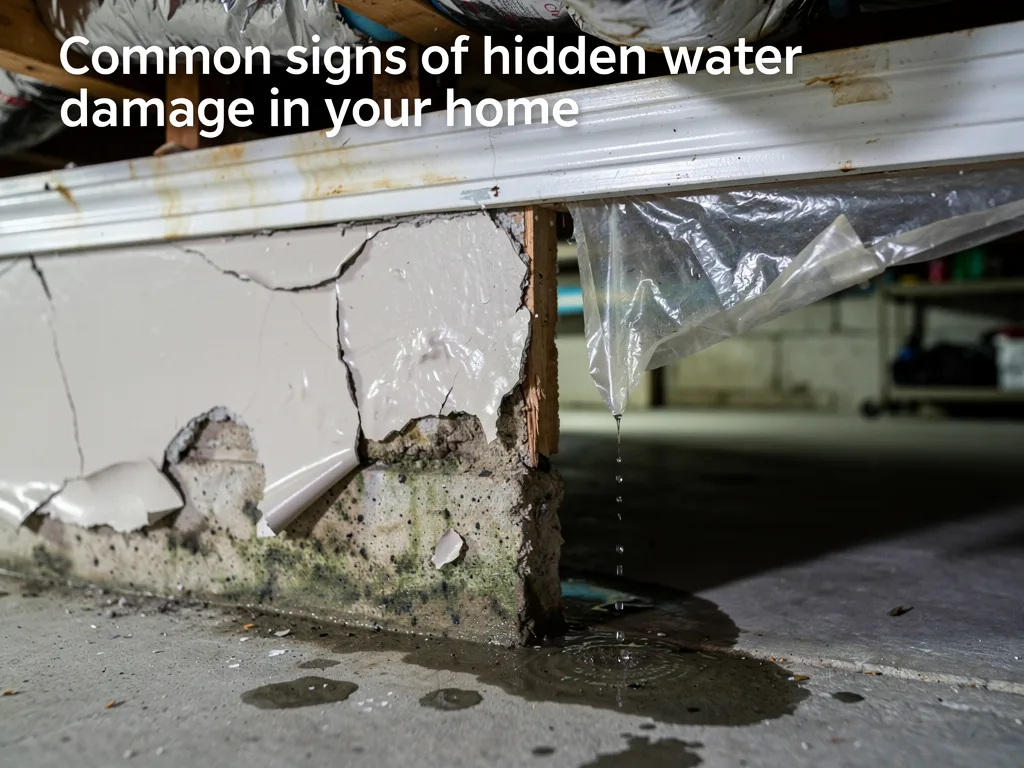
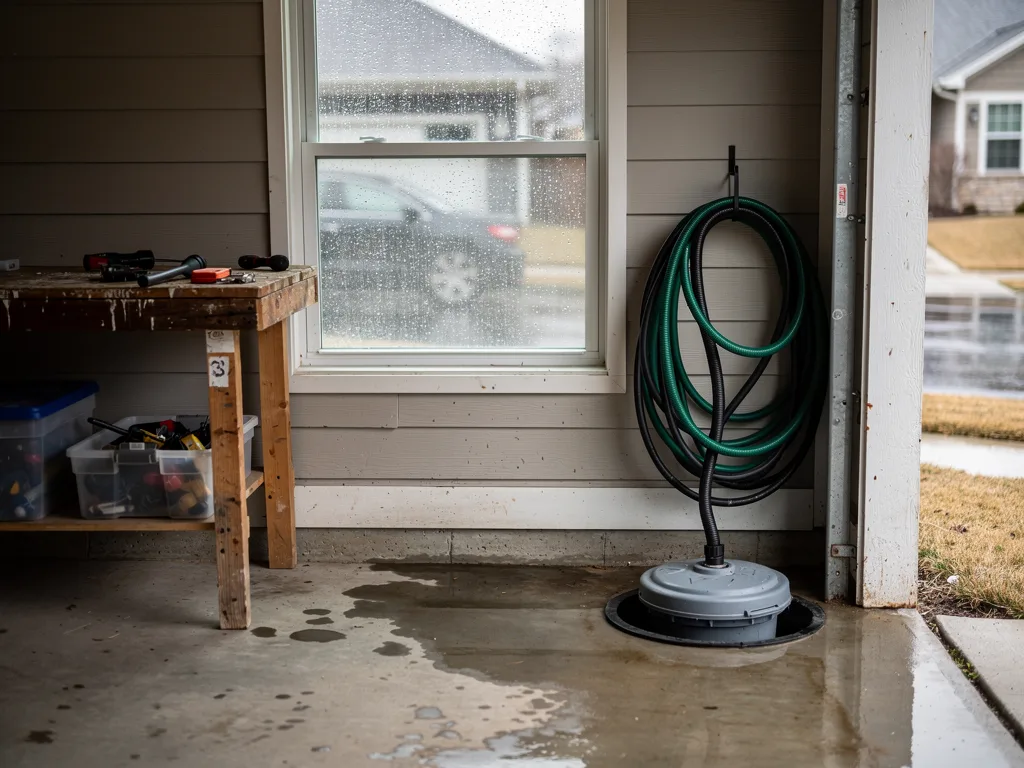
Spring rains are common in Indianapolis, and heavy downpours can overwhelm gutters and drainage. Our restoration specialists see basement and crawl space moisture spike after storms. Start with clean gutters and ensure downspouts direct water away from the foundation. Check for small cracks in masonry or around foundation vents that could channel water inward during a heavy rain.
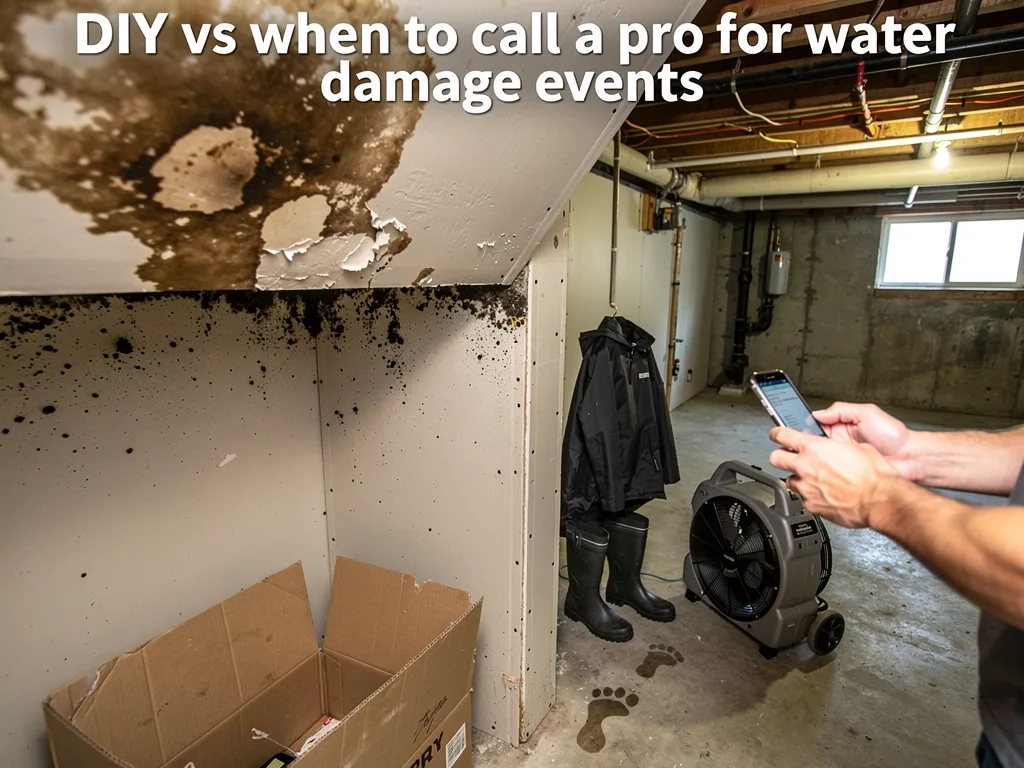
Inspect window wells and sump areas as storms intensify. Inside, look for damp patches along seams where walls meet ceilings. If you notice dampness that doesn’t disappear after a few days, it’s time to involve a restoration specialist to check for hidden moisture and plan a proper drying strategy.
Summer heat and humidity management
Indianapolis summers bring humidity that can keep moisture in the air and any leaks hidden behind walls. Use dehumidifiers in damp basements and avoid placing furniture directly against walls. A small setup with a hygrometer can help you monitor humidity levels, especially in rooms that were previously affected by water damage.
Be mindful of irrigation and outdoor leaks near the home. A slow drip from a hose or an overflowing irrigation line can saturate soil near the foundation and push moisture inward. A quick check and quick fix can prevent bigger issues when the rains return.
Fall and winter adjustments
As cold weather returns, freeze-thaw cycles can create cracks in siding or foundation that let in moisture. Seal exterior gaps and maintain proper insulation around doors and windows. If you notice any fresh stains or a musty smell after the first freeze, contact Indianapolis Water Damage for a practical assessment.
Inside the house, keep an eye on attic spaces and ceiling lines where condensation can form when warm indoor air meets cold roofing. A small dehumidifier in the attic can reduce moisture buildup, and regular inspections help catch issues before they become costly repairs.
Preventive actions you can take now
1) Schedule a seasonal check with a restoration specialist to review drainage, seals, and humidity control. 2) Maintain gutters and downspouts, ensuring water is directed away from the home. 3) Check the basement and crawl spaces for dampness after heavy rains. 4) Keep an eye on any stains or odors and address them early with professional help from Indianapolis Water Damage.